
Saturday 22 August 2026 · articles
Live Band Costs in Melbourne: 2026 Pricing Guide
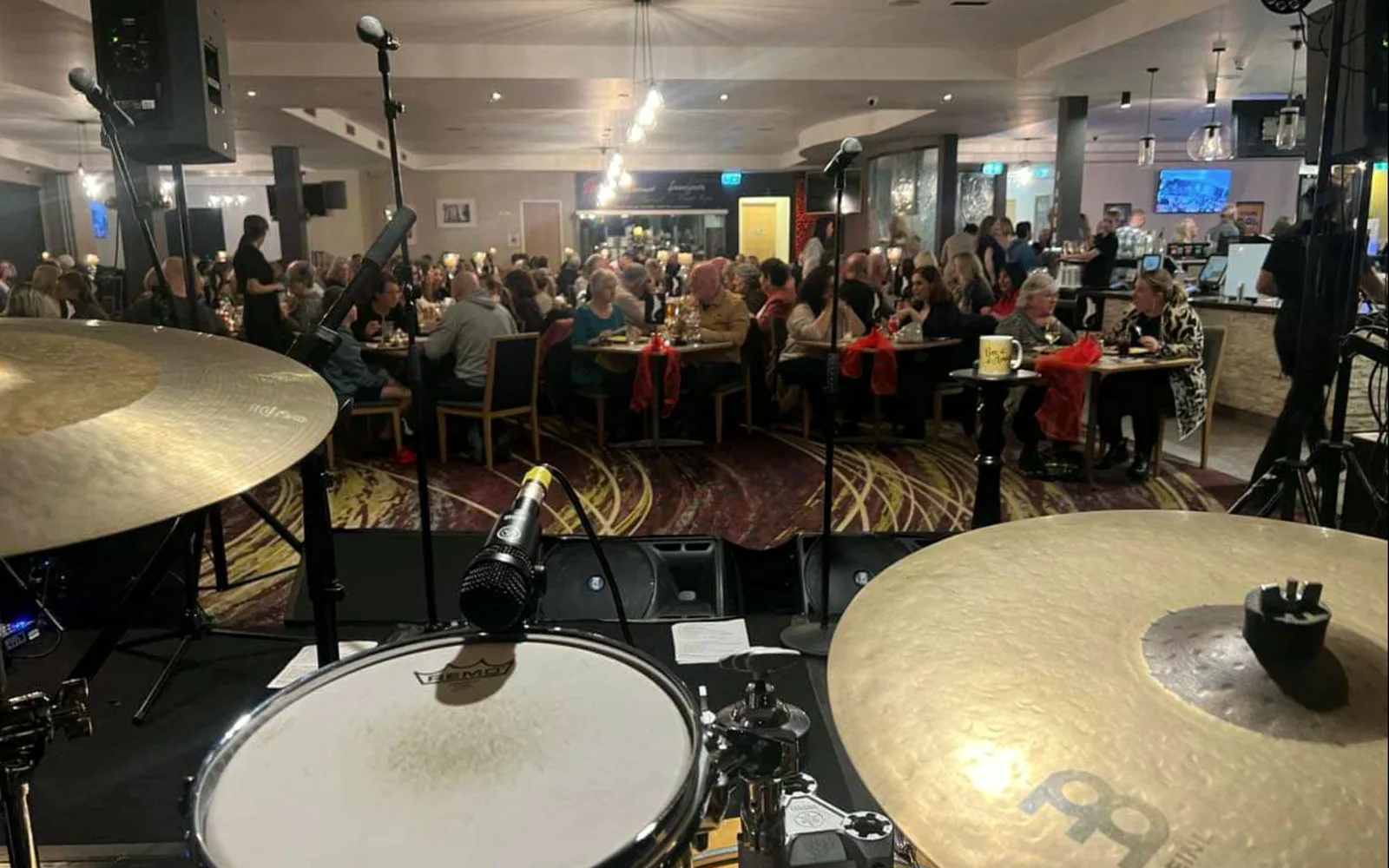
Booking a professional live band in Melbourne can cost from roughly $1,000 for some venue engagements to $8,000 or more for premium weddings and corporate events. There is no single rate: the price depends on the event, the act’s drawing power, band size, production, travel, preparation and the commercial value the band creates.
The figures in this article are illustrative Melbourne examples as at 2026-08-22, based on practical experience rather than an official industry price list. The useful question is not only, “How many musicians are there?” It is, “What is included, how much work sits behind the performance, and what value does this act bring?”
| Booking type | Illustrative Melbourne price or structure |
|---|---|
| Pub or live-music venue | A guarantee, door or ticket split, guarantee-plus-split, or fixed fee. Some working-band guarantees may be about $1,000–$2,500 or more; proven acts can command considerably more. |
| Wedding band | Professional multi-piece bands may start around $2,000; premium bands can reach about $6,000–$8,000 or more. |
| Corporate band | Often starts in the low thousands; premium acts may charge about $6,000–$8,000 or considerably more. |
| Medium-show PA and production | About $800–$1,500 or more if hired separately, depending on equipment, venue and crew. Larger production can cost much more. |
These are guideposts, not quotes. GST, travel, accommodation, agency fees, production and special requests may be included, excluded or charged separately.
What determines how much a band charges?
A band’s fee is mainly determined by the type of booking, expected audience, demand for the act, band size, production needs, travel, preparation and risk. The same seven-piece band may accept one commercial structure for a ticketed pub show and quote a very different fixed fee for a wedding.
The main factors are:
- whether the booking is a pub show, ticketed concert, wedding, corporate event or private function;
- the band’s reputation and ability to attract an audience;
- how many musicians and crew are required;
- whether the venue supplies PA, lighting and an engineer;
- travel, parking, accommodation and difficult load-in access;
- rehearsals, special songs, event-specific edits or production preparation;
- marketing costs and who carries the risk if tickets do not sell;
- performance length, setup window and waiting time; and
- demand for that band on that date.
Saturday nights in peak wedding season are not economically the same as a quiet midweek venue show. An act may also price a one-off booking higher if it displaces another job, requires extra rehearsals or ties up a full day.
Why isn’t live-band pricing just an hourly rate?
Clients buy an entertainment outcome, not a block of stage time multiplied by the number of musicians. Playing for two hours may require rehearsals, travel, equipment loading, setup, soundcheck, waiting, pack-down, administration and a late trip home. Demand and commercial value also affect the price.
This is why a five-piece act that can sell 300 tickets may be worth more to a venue than a ten-piece act that attracts 40 people. It also explains why a reliable wedding band can quote more than a pub band playing a similar number of songs.
Band size still matters. Extra musicians add rehearsal coordination, transport, stage space, microphones, monitor mixes and a higher minimum cost. It is one input, not the whole formula.
How do pubs and live-music venues decide what a band is worth?
For a venue, the central question is usually: “What commercial value will this act create?” That value may come from tickets, food and drink sales, a larger crowd, longer customer stays, repeat visits or the venue becoming known as a dependable place to see good live music.
Pubs, clubs and band rooms are businesses. A full room buys meals and drinks. Staff have work. Customers who enjoy the night may return for another act.
The ticket is only one part of that calculation. Music Victoria’s research has repeatedly treated patron spending beyond the ticket as a material part of the live-music economy. Its 2025 Victorian Live Music Venue Audit also describes the wider workforce behind a gig, including performers, technicians, venue staff, marketers and security.
A venue may occasionally run a recognised show at break-even, or even accept a small loss, because the act strengthens its wider entertainment program. One night’s spreadsheet can look ordinary while the next three shows sell more easily because customers trust the room.
Is the venue or the band the main drawcard?
Sometimes people attend because they already like the venue; the band improves the night and keeps them there longer. At other shows, the audience travels specifically for the act. Strong entertainment venues combine both effects: customers trust the venue and recognise the shows it books.
An unknown band is asking the venue to take more risk. A proven act can point to past attendance, ticket sales, mailing-list engagement or repeat bookings. As that evidence grows, so does the band’s negotiating position.
There have long been more bands looking for profitable gigs than there are profitable performance slots. Competition keeps fees down at the broad end of the market. A much smaller group develops enough audience, reputation or marketability for venues and clients to approach them first. Their economics are different.
How do pubs and live-music venues pay bands?
The common models are a fixed guarantee, a share of ticket or door revenue, a guarantee plus a share above an agreed threshold, or a negotiated fixed fee. The right model depends on who controls ticketing, production and marketing, and who is prepared to carry the attendance risk.
Music Victoria’s Artist Gig Payment Fact Sheet describes three common arrangements: a guarantee, a door deal and a “guarantee versus” deal. In practice, the contract also needs to state which expenses come out before any split is calculated.
What is a minimum guarantee?
A minimum guarantee is an amount the venue agrees to pay the band regardless of ticket sales. Some Melbourne working-band guarantees may be roughly $1,000–$2,500 or more, depending on the act, venue and expected crowd. Established acts with reliable drawing power can command considerably more.
The guarantee puts some attendance risk on the venue. In return, the venue may keep ticket income up to an agreed point, retain food and beverage revenue, or negotiate a share once sales pass a threshold.
These numbers come from practical experience. They are not minimum legal fees or an endorsed industry scale.
How does a ticket split work?
In a ticket split, the band receives some or all of the agreed net ticket revenue after the contract’s stated deductions. The agreement should define ticketing fees, venue charges, production, door staff, marketing, tax and the percentage split before tickets go on sale.
At a $35 ticket price, the gross ticket arithmetic looks like this:
| Paid attendance | Gross ticket revenue |
|---|---|
| 40 | $1,400 |
| 100 | $3,500 |
| 150 | $5,250 |
| 200 | $7,000 |
Gross revenue is not profit. Ticketing fees, venue arrangements, PA, engineer, advertising and tax may still need to come out. That is why the same seven-piece show can be unworkable at 40 people and sensible at 200.
How many people must a band attract to make a show viable?
Divide the show’s fixed costs by the net ticket revenue retained per attendee. If fixed costs are $3,500 and the show retains $35 per ticket, break-even is 100 paid attendees. If the retained amount is $28 after deductions, break-even rises to 125.
That formula is only the band or promoter view. A venue may also count food and beverage margin, future bookings and customer retention. Conversely, a sell-out can still disappoint if the room is small, the ticket is cheap and production is expensive.
What is a fixed-fee venue booking?
With a fixed fee, the venue pays an agreed amount and normally carries the attendance risk while retaining the upside from a strong night. A venue with good marketing, known capacity and reliable customer-spend data may prefer this because it can model the show better than the band can.
An established venue might pay a few thousand dollars or considerably more for an act it particularly wants. At the upper end, prestige and long-term audience development can matter as much as profit from that one date.
Why can tribute and concept bands charge more?
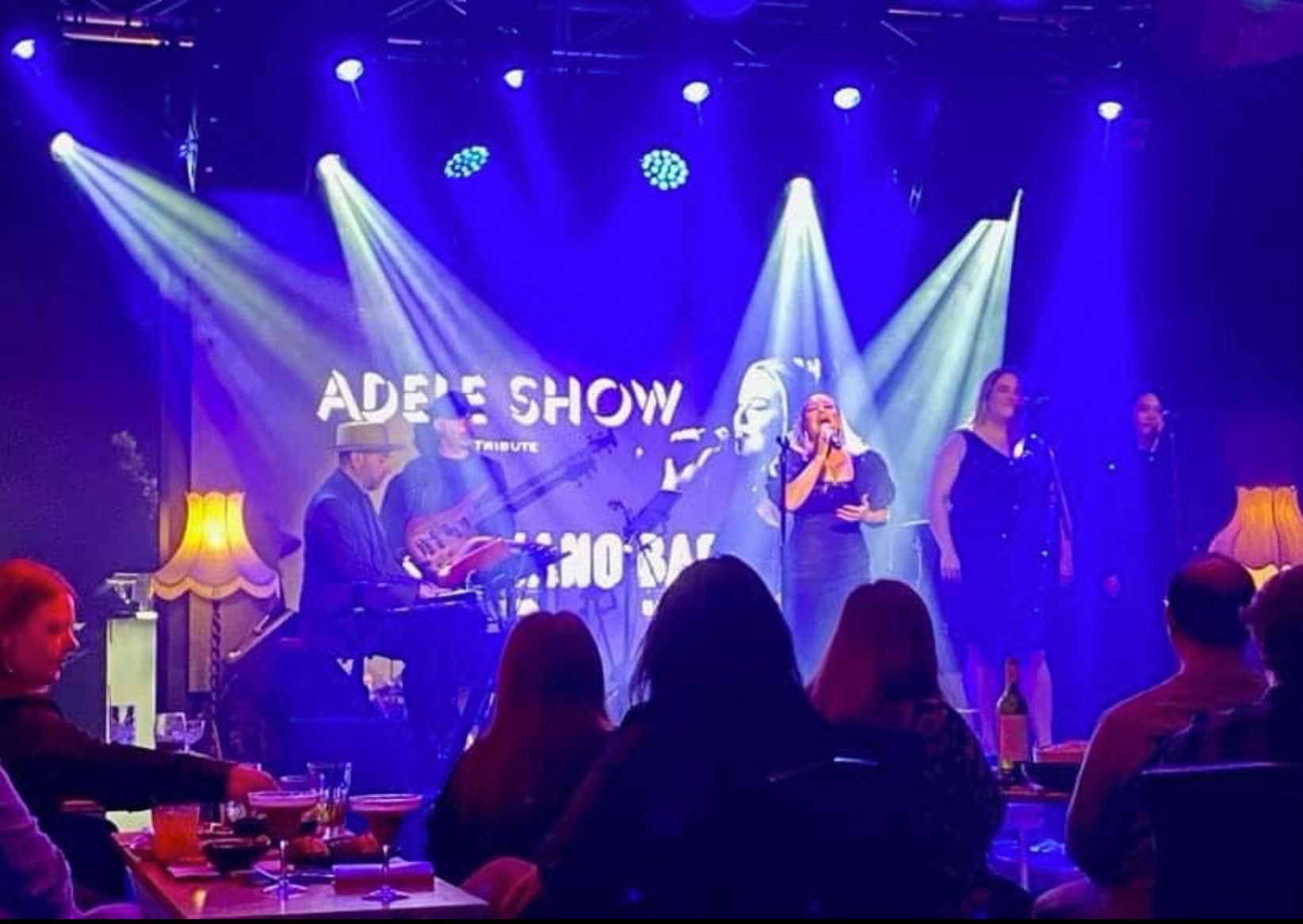
A well-produced tribute or concept show gives the customer a clear proposition. When an audience sees a Fleetwood Mac, Queen or Adele tribute advertised, it already understands much of the music and the likely experience. That reduces uncertainty for the ticket buyer and the venue.
A generically named cover band may be excellent, but an unfamiliar customer cannot tell that from the name alone. The act needs videos, reviews, a song list and patient marketing before the offer becomes clear.
Good tribute and concept shows turn that clarity into destination entertainment. People travel for the show rather than merely accepting whichever band happens to be at their local pub. A recognisable concept is not enough on its own—the band still has to perform well—but it can make audience acquisition more predictable.
Does the venue or band pay for the PA?
Either party can pay. Many established live-music venues have an installed PA, lighting and in-house technical staff. At other venues, the band or event organiser must supply some or all production. The agreement should name the responsible party and list what is actually provided.
An installed system can improve the economics substantially. Speakers, mixing desk, cabling and lights do not need to be transported and installed for every show. The venue’s engineer also knows the room.
“PA supplied” is still too vague for a contract. A system intended for speeches may not handle a seven-piece band. Confirm the mixer input count, microphones, stage monitors or in-ear connections, lighting, crew and the audience area the system must cover.
How much does live-band production cost?
As an illustrative Melbourne example, a suitable professionally operated PA for a medium-sized show may cost roughly $800–$1,500 or more. The real price changes with audience size, indoor or outdoor use, microphones, monitors, lighting, transport, setup time and crew.
Larger events can move well beyond that range. Even current advertised Melbourne packages vary sharply depending on whether they include only equipment or delivery, setup, operation and pack-down. Compare scope, not just the headline figure.
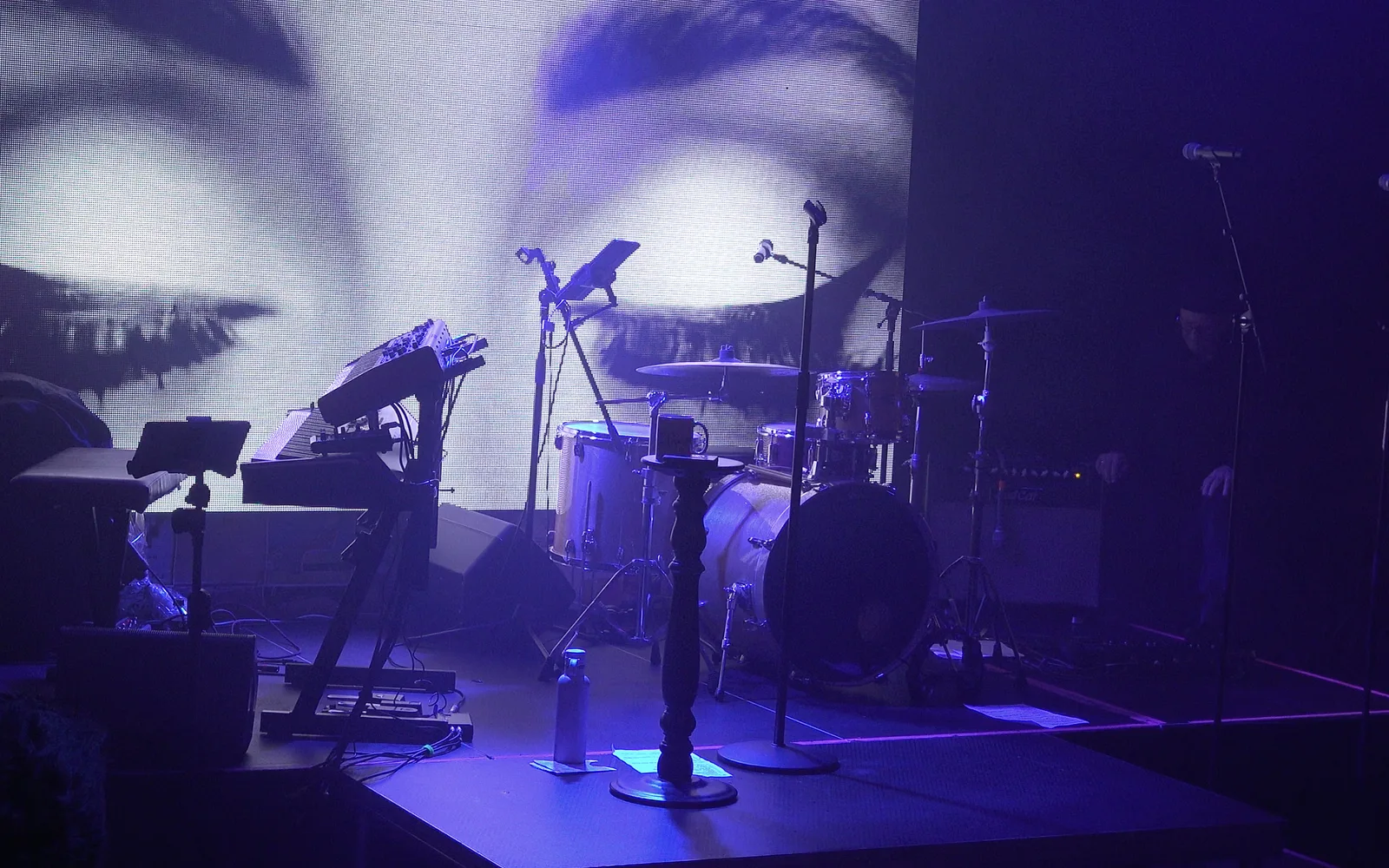
Our guide to what happens during a band soundcheck explains why access and technical preparation need their own place in the event schedule.
Who pays the sound engineer?
The venue, promoter, band or private client may pay the engineer. Sometimes the cost is included in a venue hire or production package; sometimes it is deducted before a ticket split; sometimes the band includes its own engineer in a fixed quote.
Several hundred dollars for an engineer can be entirely reasonable. The job may begin with afternoon setup and soundcheck, continue through the performance, and finish only after the system is safely shut down late at night. The mix also affects every musician on stage and every person in the room.
Who pays to advertise a live show?
The band, venue or both may fund marketing, depending on the deal. A band can have a loyal following and still need to tell that audience where and when the next show is. Paid advertising is a genuine show cost, not money left over after the event.
For a particular Melbourne show, a working band might spend about $400–$600 on geographically and demographically targeted Facebook and Instagram advertising. Another act may rely on a mailing list, organic social posts, venue promotion or regular local customers.
This is another reason gross ticket revenue should not be treated as profit. Selling tickets costs time and, quite often, cash.
How much does a wedding band cost in Melbourne?
A professional multi-piece Melbourne wedding band may start around $2,000, while premium bands can cost about $6,000–$8,000 or more. Band size, reputation, date, travel, performance length, production, special songs and the level of service all affect the quote.
Wedding bands generally use a fixed fee because the couple needs certainty. Nobody wants their entertainment budget changing with the number of guests who make it onto the dance floor.
Current published Melbourne supplier prices cover a wide range, which is exactly the point. A smaller lineup with standard production is a different service from a larger band, engineer, lighting, MC support and ceremony music. Our figures are practical examples, not a market average.
Why do wedding bands cost more than pub bands?
Wedding clients are purchasing reliability, coordination and a low-risk outcome as well as songs. The band must arrive on time, work around speeches and catering, coordinate with the venue and photographer, manage key moments and perform for a broad age range. There is little tolerance for failure.
A professional wedding booking may also include:
- early load-in before guests arrive;
- PA and basic lighting;
- coordination with the venue, celebrant, MC and event planner;
- a first-dance arrangement or other special request;
- recorded music between sets;
- formal presentation and dress requirements;
- public liability documentation and tested equipment;
- backup plans if a musician becomes unavailable; and
- several hours of waiting between setup and performance.
Our Melbourne wedding entertainment guide covers the broader event format. The fee is not only for the moment the first song begins.
How much does a corporate band cost in Melbourne?
Professional corporate bands often start in the low thousands. Premium acts may cost around $6,000–$8,000 or considerably more, depending on the act, event size, production, travel and preparation. Corporate entertainment is usually quoted as a fixed price so the organiser can approve a known budget.
Corporate work may involve an event manager, detailed technical specifications, rehearsals, branded content, special songs, interstate travel, formal presentation, long holding times and a large venue. The performance may need to begin at an exact cue after a speech or awards segment.
That level of coordination carries a premium. The client is buying certainty and professionalism alongside the performance. See our corporate event band format for an example of the practical information an organiser should confirm.
How much do individual musicians actually make from a gig?
Usually less than the band fee divided by the number of players and the stage hours suggests. The gross fee may also fund production, engineer, marketing, travel, administration and rehearsals. Each musician then has instrument, maintenance, insurance and consumable costs.
A musician’s day can include:
- rehearsing and preparing material;
- loading instruments and amplification;
- travelling to the venue;
- setup and soundcheck;
- waiting while the room is used for other parts of the event;
- performing;
- pack-down and loading out; and
- travelling home.
Guitar strings, drum heads, sticks, cables, batteries and equipment servicing do not appear on stage, but they appear in the accounts.
Australia’s Live Performance Award covers many employed live-performance workers and includes minimum calls and conditions. Not every band engagement is an employer–employee arrangement, however, and an award minimum is not a retail quote for an entire event.
For many working musicians, live performance is not exceptionally profitable. The strongest economics belong to acts that repeatedly attract substantial audiences or win premium private and corporate work.
What should I ask when comparing band quotes?
Ask every band to itemise lineup, performance time, production, crew, travel and extras. Two quotes that differ by several thousand dollars may not cover the same service, hours or risk. A cheaper headline price can become the expensive option once missing production and logistics are added.
Check:
- How many musicians are included?
- Is GST included?
- Is the PA included, and is it suitable for the room and audience?
- Is a sound engineer included?
- Is lighting included?
- Are travel, parking and accommodation included?
- How long will the band perform, and how many sets will it play?
- Does the price include load-in, setup, soundcheck and pack-down?
- Are rehearsals or special song requests included?
- Can the band provide MC support if required?
- Is recorded music provided between sets?
- What happens if a musician becomes unavailable?
- Does the band carry the insurance and documentation required by the venue?
- How experienced is the band with this type of event?
- What deposit, cancellation and overtime terms apply?
Then compare evidence. Watch a real live recording, read independent feedback, check the band’s event experience and ask exactly who will arrive on the date. The polished promotional clip matters less than whether the act can deliver the quoted service in your room.
Live-band cost FAQs
Is there an official Australian price list for bands?
No. Awards may set minimum employment conditions in situations they cover, but retail band quotes are negotiated. Event type, demand, production, travel, preparation and commercial value produce a wide range of prices.
Does a larger band always cost more?
No. More musicians increase costs, but audience demand and service level can matter more. A smaller act with a proven following may charge more than a larger act with little drawing power.
Can I save money by using the venue’s PA?
Often, provided the system is suitable and the required microphones, monitors and engineer are included. Confirm the technical specification before removing production from the band’s quote.
Why is a private-event quote higher than the band’s pub fee?
Private events usually require a fixed commitment, more coordination, stricter timing, longer attendance, specific presentation and less tolerance for failure. The pub deal may also rely on ticket income or venue-supplied production.
Should I choose the cheapest band quote?
Choose the quote that clearly covers the outcome you need. Check production, crew, timing, travel, requests, contingencies and the band’s relevant experience before comparing the final totals.
The price is one line. The deal, the risk and the value sit underneath it.
Related Articles
Saturday 22 August 2026
What Happens During a Band Soundcheck?
A practical look at band soundchecks, from load-in and PA setup to individual instruments, monitor mixes and the final full-band check.

Saturday 22 August 2026
First Dance Songs at Melbourne Weddings: Why Adele Hits Land Hardest
Make You Feel My Love is the strongest Adele first dance song for most Melbourne weddings, but the lyrics, arrangement and timing all matter.
Saturday 13 July 2024
10 Live Music Venues in Melbourne's Suburbs to Visit in 2026
Ten active suburban Melbourne and nearby Victorian venues with current 2026 live-band programs, from dinner shows to rock rooms and jazz clubs.