
Booking Models for Venues
Fixed fee, venue ticketing or shared risk: choose the deal before you announce the show.
Which live-music booking model suits your venue? A fixed fee gives the venue a known artist cost and normally puts ticket-sales risk with the venue. Venue ticketing describes who runs the sales, not how the band is paid: it can accompany a guarantee, a door split or a hybrid. In a band-led or shared-risk show, the artist may run ticketing and promotion, but both parties still have costs and obligations.
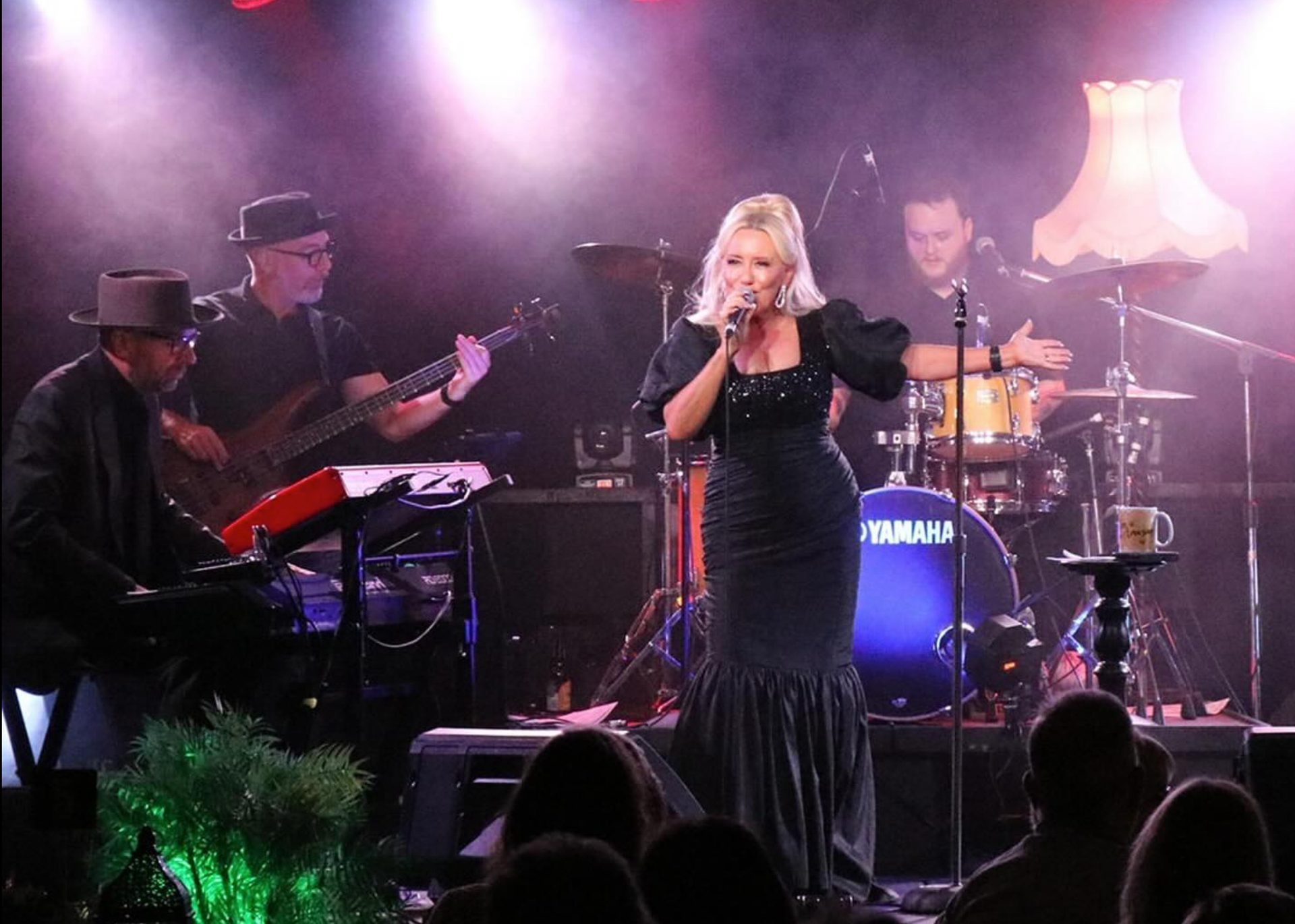
For The Adele Show, the right choice depends on the room, its established audience, the production already installed and who can market a ticketed seven-piece concert credibly. No model guarantees sales or bar takings. We would rather agree a workable settlement and promotion plan than call a low-upfront-cost show “risk-free”. This is our first-hand venue-booking perspective, not a standard contract or a promise that every venue operates alike.
Compare the three practical routes
| Question | Fixed artist fee | Venue-ticketed event | Band-led or shared-risk event |
|---|---|---|---|
| Who sells and handles tickets? | Usually the venue or its ticketing partner, if ticketed | Venue or its ticketing partner | Agreed band/promoter system, with the venue controlling entry and capacity |
| How is the band paid? | Agreed fee regardless of sales | Specify separately: guarantee, agreed door share or guarantee-plus-upside | Agreed share of defined ticket proceeds, possibly with a minimum; never assume |
| Who carries weak-sales exposure? | Venue carries the artist-fee commitment | Depends on the actual payment terms | Band carries some ticket risk; venue still carries staffing, room and opportunity costs |
| Who supplies PA and engineer? | Defined in the quote and technical agreement | Defined in the quote and technical agreement | Defined in writing; band supply is possible, not automatic |
| Who promotes? | Venue leads, with band support agreed | Venue and band divide named actions | Band often leads, but the venue must agree its listing and customer channels |
| What must be settled? | Fee, deposit, timing and cancellation | Fees, ticket data, deductions and settlement | Ticket ownership, refunds, costs, split, data, deadlines and cancellation |
These are negotiation starting points, not fixed packages or current price offers. Industry guidance from Music Victoria’s Artist Gig Payment Fact Sheet distinguishes a guarantee, a percentage of the door, and a guarantee with upside once sales pass a threshold. The Live Music Toolkit’s paying-performers guide likewise notes that venues incur costs even when the performer is on a door split. Both sources were checked on 1 October 2026; your written agreement controls the actual deal.
When does a fixed fee make sense?
A fixed fee suits a venue with an event budget or a reliable way to forecast and sell its own shows. The venue knows the band commitment before tickets go on sale; it can keep its agreed ticket and hospitality revenue but remains responsible for any shortfall. Confirm whether the quoted fee includes our PA, lighting and sound engineer, or whether a suitable in-house system and crew are provided. A speech-only PA is not automatically suitable for seven performers.
This route can also suit a private or member-funded night where public ticket yield is not the only measure of value. Avoid calculating the band’s affordability from gross ticket receipts alone: ticketing charges, GST treatment, promotion, staffing, security and production may sit on different sides of the agreement.
Venue ticketing is an operating choice, not a payment model
If your venue already manages online sales, table reservations, refunds and door scanning, using its ticketing system can simplify the guest experience. It does not tell us whether the band receives a fixed fee, a share of receipts, or a guaranteed minimum plus a share above an agreed threshold. Decide both the ticket operator and the artist payment rule explicitly.
For a dinner show, name who sets the package price, owns seating and group-booking questions, handles access requests, and communicates cancellations or changed times. The venue should supply a dated count of paid bookings and remaining seats or tables to the agreed parties. The band can then respond to real sales pace rather than invent urgency or spend on ads without a baseline. The current Arcobar event listing is an example of a venue-controlled dinner-show ticket path, not evidence of its private artist-payment terms.
When is band-led or shared risk workable?
A band-led ticket path can fit a room that wants a special ticketed event but does not already operate a regular tribute-show calendar. We can discuss managing the event page, ticketing and promotion, and may bring production where the venue has no suitable system. None of those responsibilities should be inferred from the model name. A venue still has staff, hospitality, safety, capacity and opportunity costs even if its upfront artist fee is reduced.
This option requires a credible audience route and a realistic ticket target. If the room needs 100 paid admissions to cover agreed show costs at an illustrative $35 net retained per ticket, then 100 is only the break-even arithmetic: $3,500 ÷ $35. It is not a sales forecast or a standard Adele Show settlement. If net retained revenue falls to $28, the same costs require 125 paid admissions. Change either input for your actual quote, deductions and room capacity. For a fuller cost breakdown, see our live-band cost guide.
Before committing, put venue hire, PA and engineer, ticketing/card fees, advertising, staffing/security, complimentary tickets, refunds, customer-data responsibilities, GST treatment, settlement timing and cancellation exposure on the same sheet. Then model conservative and target attendance below the usable room capacity after the seven-piece stage footprint, tables and dance space.
A deal sheet before the first announcement
- Define the buyer and event. Public programmed show, private function or venue-hire arrangement; date, room, usable capacity, door/show times and any dinner offer.
- Name the money flows. Artist guarantee or split formula, what counts as gross and net, who collects each payment, every permitted deduction, taxes, invoice and settlement date.
- Assign production. Stage, power, microphones, monitors, PA, lighting, engineer, load-in, soundcheck and a named technical contact. Our soundcheck guide explains why the timetable matters.
- Assign sales and promotion. Ticket URL, price approval, audience/list permissions, creative owner, venue email and in-room channels, band posts, any ad budget and a weekly booking-count review. No advertising commitment should be implied by “we will promote”.
- Plan the exceptions. Refunds, postponement, cancellation, low sales, weather where relevant, accessibility, customer service, guest list and who tells ticket holders.
Music Victoria’s payment fact sheet recommends written terms covering payment, ticketing, production, cancellation and show times. An email agreement is better than leaving the essentials unstated; have a qualified adviser review formal legal or tax terms where needed.
What would we need from your venue?
Tell us your venue and room, usable audience capacity, date options, whether you already run ticketed tribute nights, your ticketing and dinner setup, and what PA and technical crew are actually available. We can then discuss the concert format and whether an optional separate party set fits your brief. Watch live footage to see the performance rather than treating a spreadsheet as proof of audience demand.
Next step: Send those room and deal details for a booking conversation. We will scope a suitable model before quoting or promising a ticket plan.
Prepared by The Adele Show team from its first-hand seven-piece venue and ticketing work. Substantively reviewed 1 October 2026 against the linked industry guidance and current band format. Commercial terms are agreed per event; this page is not legal or financial advice.