
Wednesday 26 August 2026 · articles
Below Break-Even: Melbourne's Live Music Ticket Squeeze
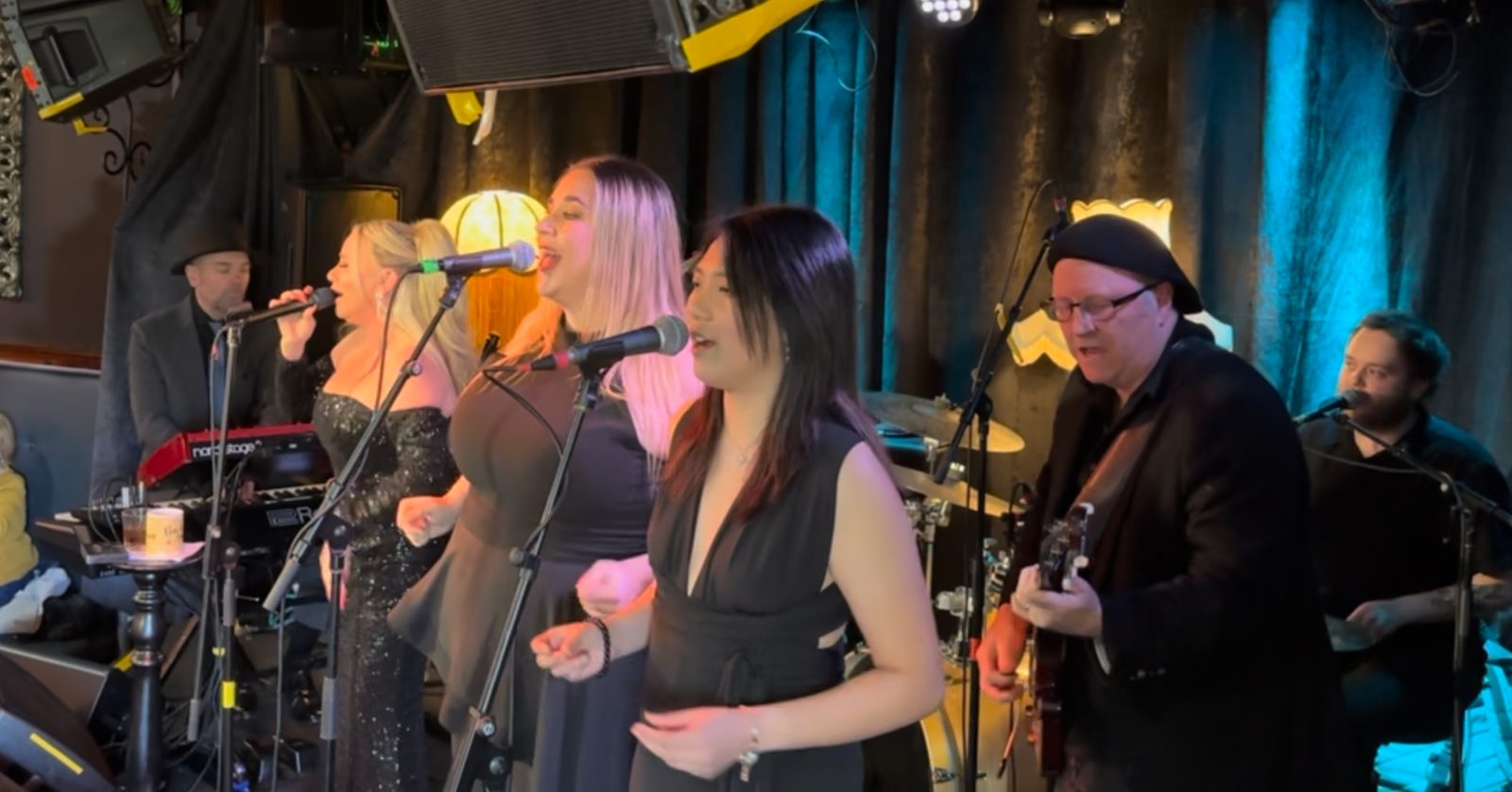
Last year, The Adele Show sold 155 tickets for a Melbourne venue date. This year, at the same venue and a comparable time of year, sales reached 115.
That is 40 fewer customers, or a 25.8% year-on-year decline.
One show does not prove that ticket sales across Melbourne are down by the same amount. Weather, competing events, ticket price, advertising, the day of the week and the wider program can all change a result. It is one matched example from our own records, not a controlled experiment or a citywide survey.
It does, however, put a real number beside something we have heard repeatedly in conversations around the live-music industry: smaller ticketed shows feel harder to sell, audiences are committing later, and more events are approaching their cancellation decision without enough money in the bank.
The strange part is that Melbourne can look as though it is booming and struggling at the same time. That is because it is not one market.
Victoria’s record numbers hide a two-speed market
At the top end, live performance is extraordinarily strong. Live Performance Australia reported that Victoria generated $1.1 billion in ticket revenue from 9.9 million attendances in 2024. Revenue rose 14.9% and attendance rose 7.4% from the previous year, setting records for the state. Contemporary music supplied the largest share of both revenue and attendance.
Those figures include the major tours and events that can fill arenas, stadiums and large theatres. They do not mean that a 150-capacity suburban room is enjoying the same demand.
Creative Australia’s Listening In research found that the proportion of Australians attending major music venues held steady at 33% between 2019 and 2024. Attendance at pubs and clubs fell from 28% to 25% over the same period. Its wider conclusion is blunt: overall demand can grow while attendance at the smaller rooms that develop local artists declines.
Music Victoria’s 2025 Victorian Live Music Venue Audit shows another side of the same split. Metropolitan Melbourne had 488 “regular presenters” hosting at least one gig a week in 2019. By 2023 it had 362, a decline of 25.8%.
That is a venue-frequency figure, not a ticket-sales figure. It should not be used as proof that every remaining venue lost a quarter of its audience. It does show an ecosystem contracting at the level where regular gigs are actually presented.
Cost of living changes the whole night, not only the ticket
People have not stopped caring about live music. They are making harder choices about which nights justify the total cost.
Creative Australia’s 2025 National Arts Participation Survey found that 74% of Australians attended at least one live arts event or festival, the highest result since the survey began. At the same time, 60% identified ticket or entry costs as the main attendance barrier, and 55% said they had missed events they wanted to attend because of cost.
The detailed Listening In report makes the behaviour clearer. Among its music-engaged respondents:
- 94% said cost of living affected their ability to buy live-music tickets;
- 51% said they could generally afford tickets only for artists or bands that were very important to them, or for special occasions;
- 61% said an unaffordable ticket price was the reason they missed an event they wanted to attend; and
- 37% said they could not afford associated costs such as transport, accommodation, parking, food and drinks.
The price on the ticket is therefore only the first number. For two people, a pair of $40 tickets is $80 before transport, parking, dinner or a drink. Add a meal and getting to the venue and an apparently affordable local show can become a $180 to $250 decision. Childcare can push it much further.
That helps explain why “save and splurge” behaviour matters. A customer may still spend hundreds of dollars on a rare international tour while declining three or four smaller local shows. From the customer’s perspective, the major event is the one-off priority. From the grassroots industry’s perspective, several ordinary nights have disappeared from the calendar.
The late-ticket trap
Financial pressure does not always produce a definite no. Often it produces “maybe later”.
Customers wait for payday, check the weather, see what friends are doing or hold the money until the rest of the month’s bills are clearer. The Victorian Parliament’s research into live-music venues describes delayed purchasing as an ongoing problem because early sales give organisers the confidence to commit to suppliers, staff and production.
This creates a trap:
- Customers intend to buy closer to the show.
- Advance sales remain below the event’s break-even path.
- The venue, promoter or artist faces a likely loss.
- The show is cancelled before the late buyers act.
- Customers become more cautious about booking the next small event.
The intention to attend has no value on the event budget. Only the completed booking is visible when the cancellation decision has to be made.
What break-even means for a small live show
A live event begins spending money well before the first note. The organiser may need to cover musicians, a sound engineer, PA and lighting, venue staff, security, advertising, ticketing, travel and accommodation. Many of those costs do not fall because 40 fewer people attend.
Imagine that a show has $3,500 in fixed costs and retains $35 from each ticket. It needs 100 paid customers to cover those costs. If deductions reduce the retained amount to $28, break-even rises to 125 customers. Our guide to live-band costs and venue deals explains the arithmetic in more detail.
The model becomes fragile when the likely audience falls by 20% to 30%. A date that was previously safe can move close to break-even. A date that once produced a modest return can become a loss. The choice is then ugly: cancel, reduce the production, ask the performers to carry more risk, increase the ticket price or proceed and hope for a late surge.
Higher prices may help the spreadsheet while making the underlying attendance problem worse.
Cost is important, but it is not the only explanation
It would be convenient to blame every weak show on household budgets. The evidence does not support that simplicity.
For small local venues, Listening In found that the absence of an interesting nearby event was a larger reported barrier than ticket cost. Awareness also matters. A well-priced show cannot sell to people who never hear about it, and a familiar tribute name does not remove the need for a clear campaign.
Programming, customer experience, transport, venue reputation and the number of competing events all influence sales. So do changed drinking habits. Many grassroots venue models traditionally depended on the bar as much as the door; lower alcohol spending can leave even a good crowd less profitable.
Our own 155-to-115 result belongs in that context. It is strong enough to report and too narrow to carry the entire argument. The responsible conclusion is that it aligns with a wider documented shift; it does not establish a single cause by itself.
What venues, artists and audiences can do
There is no clever marketing trick that gives households their discretionary income back. There are, however, ways to reduce uncertainty and make a night easier to choose.
Venues and promoters can show the full value early
The campaign should explain the experience, not merely name the act. Is it dinner and a show, a standing bandroom, a seated theatre performance or a full night with a dance set? Customers need enough detail to compare the event with everything else competing for that money.
Clear start and finish times, transport information, accessible ticket prices and transparent fees all remove hesitation. Local marketing matters because travel cost is part of the decision.
Artists can build audiences they can reach directly
Social platforms are useful discovery tools, but a mailing list or opted-in customer database allows an act to reach past attendees without buying the same attention again for every date. Repeated local shows become less risky when the artist and venue can speak to people who already understand the experience.
Deal structures can share risk more intelligently
A fixed guarantee puts the attendance risk on the venue. A pure ticket split can move most of it to the artist. A smaller guarantee with an agreed upside, transparent deductions and shared marketing may give both sides a reason to build the room.
There is no universal deal. There should be a clear one.
Customers can book when they decide
Nobody should buy a ticket they cannot afford. But if someone has decided to attend, buying early gives a small event information it cannot obtain from likes, comments or expressions of interest. Advance sales are not merely convenient cash flow; they can determine whether the show survives long enough to happen.
Melbourne does not have one live-music story
The arena can be full while the bandroom is nervous. State revenue can set a record while regular presenters disappear. A major tour can sell out while a local show reaches its cancellation date below break-even.
Our own comparable result—155 tickets one year and 115 the next—is a 25.8% decline. We are publishing it because small events need more honest discussion about sales, risk and the point at which a show becomes unviable.
The conclusion is not that Melburnians have fallen out of love with live music. The research suggests the opposite: people value it and want more of it. The problem is that cost-of-living pressure, the total expense of going out and late purchasing are concentrating that demand into fewer decisions.
Melbourne’s biggest concerts may continue to thrive. The harder question is how many of the smaller stages beneath them will still be operating when household budgets finally ease.
Related Articles
Saturday 22 August 2026
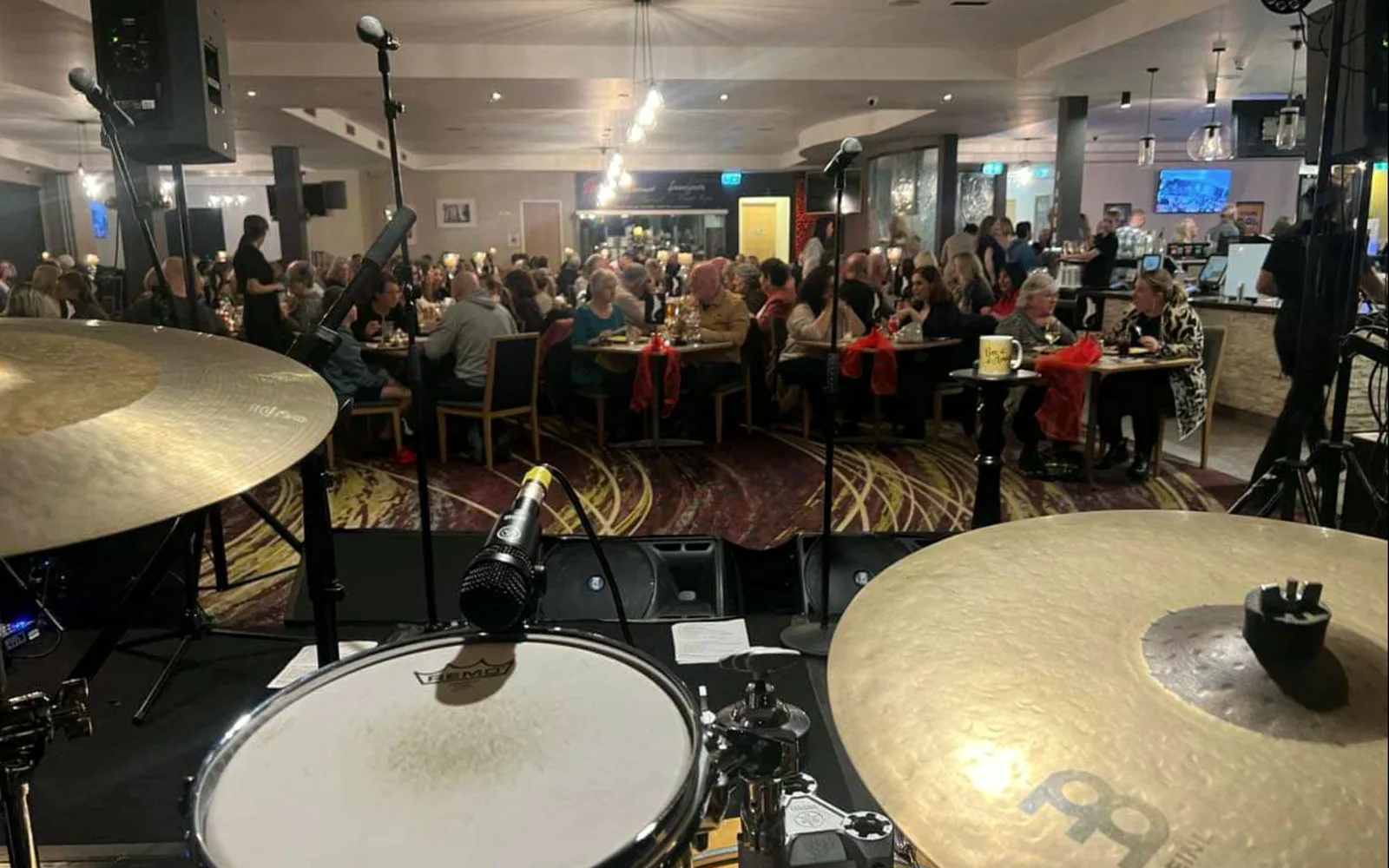
Live Band Costs in Melbourne: 2026 Pricing Guide
A practical guide to live-band costs in Melbourne, including venue deals, ticket splits, production, weddings, corporate events and what affects a quote.
Saturday 13 July 2024
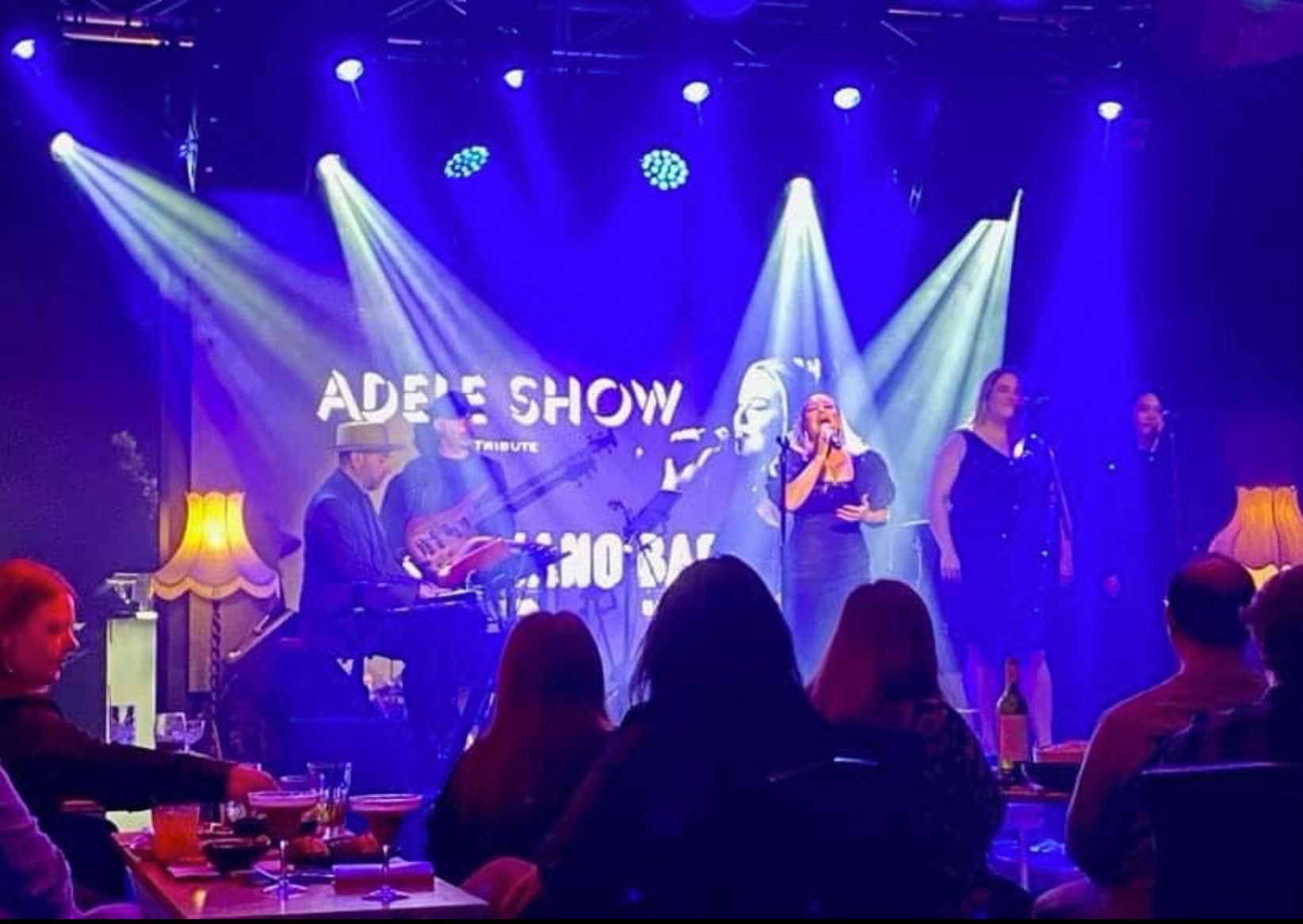
10 Live Music Venues in Melbourne's Suburbs to Visit in 2026
Ten active suburban Melbourne and nearby Victorian venues with current 2026 live-band programs, from dinner shows to rock rooms and jazz clubs.
Friday 22 November 2024
The Irreplaceable Magic of Live Music in an AI Age
While AI music tools are revolutionising composition, the multi-sensory experience of live performance remains irreplaceable. Here's why.