
Saturday 22 August 2026 · behind the_scenes
Meet Mike ‘Dupp’ Yanko: Decades Behind the Keys
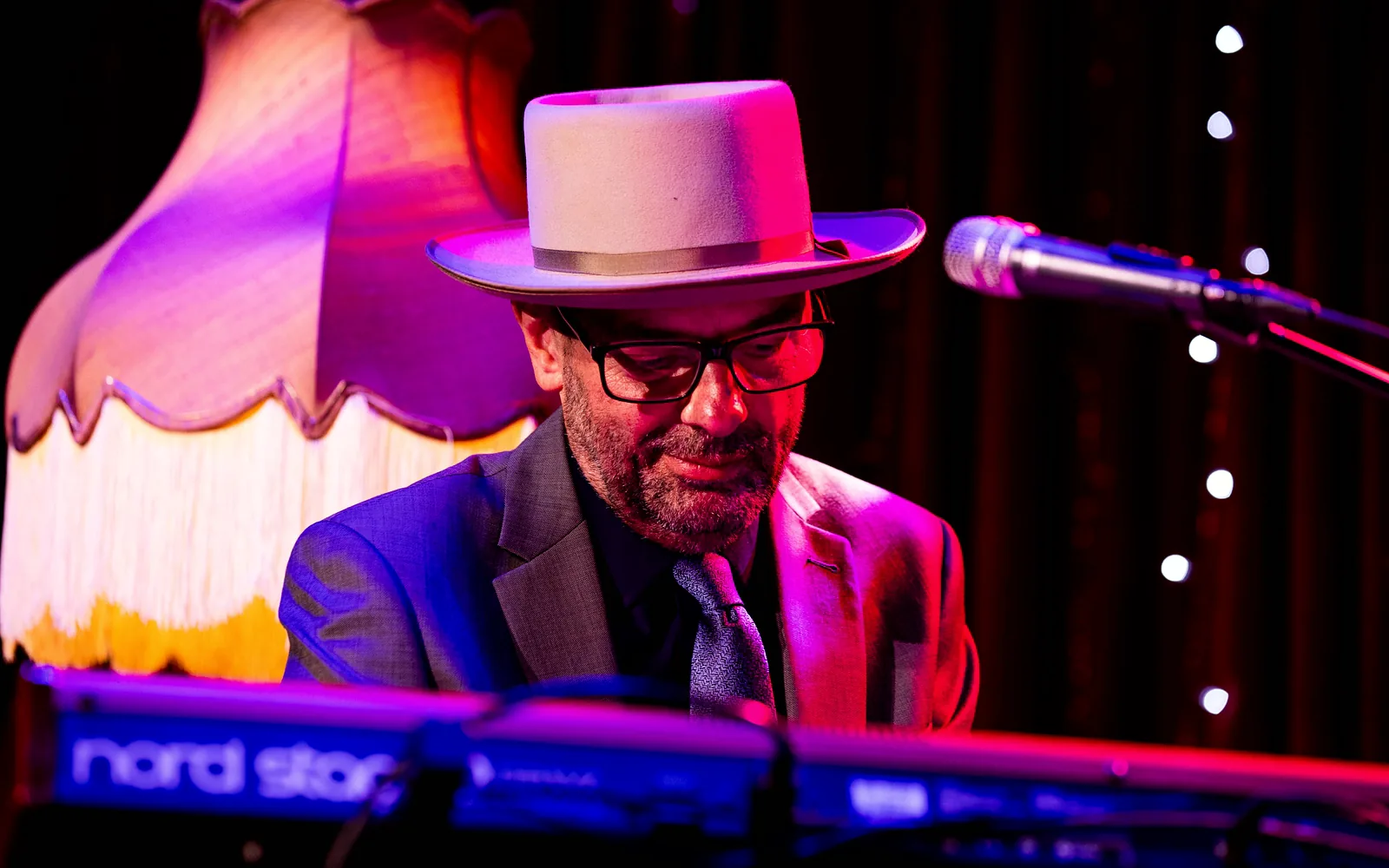
Mike Yanko, known as Mike Dupp, is a Melbourne keyboard player with more than five years of classical training and decades in cover, pub, club and tribute bands. He plays with The Adele Show and several songwriter-based concept shows.
There was no mapped plan. Music kept turning up: at the family piano, in school halls, at RMIT, in RSLs, on a truck and, eventually, at a Jakarta wedding attended by Indonesia’s president.
Mike kept saying yes to the next band.
Mike Dupp at a glance
| Name | Mike Yanko |
| Known as | Mike Dupp |
| Instrument | Piano and keyboards |
| Current major project | The Adele Show |
| Other music | Melbourne tribute and concept bands |
| Early training | More than five years of classical piano |
| Learning style | Classically trained, then strongly developed by ear |
| Early influences | The Beatles and Pink Floyd |
| Later influences and interests | Cold Chisel, Randy Newman, Elvis Costello and Tom Waits |
| Melbourne music background | Cover bands, pub and club gigs, and tribute shows |
| Connection to Michelle Morrison | Long-time musical collaborator and brother-in-law |
| Advice to young pianists | Learn to read music, learn theory and play music you love |
Where did Mike’s music start?
Mike’s first musical memory involves lying in bed humming an old Monkees song while his sister yelled at him to shut up. Music was already in his head, and there was a pianist in the family.
His sister was an accomplished classical player who later ran a classical-music website in Melbourne. When she left for university, the piano remained. Mike began, as he puts it, “bashing it a bit”, so his parents sent him for lessons.
He started at about seven and continued for more than five years. Mike remembers discipline, a reasonable technical standard and plenty of “punishment from the teachers”. Then he noticed a Beatles songbook on his final teacher’s piano.
That looked much closer to the point.
Why did Mike start learning songs by ear?
Mike was a generation behind Beatlemania, but The Beatles still mattered. So did Pink Floyd and other groups that gave keyboards a real role in the arrangement.
Records were expensive enough. Matching sheet music was generally out of reach, so Mike worked out the parts himself.
Mike freely admits that his sight-reading became poor, a real limitation for a session musician expected to read a chart immediately. Learning by ear developed a different strength. Reproducing a record means hearing the sound, timing, voicing, dynamics and the part’s relationship with the band.
Sometimes, Mike says, you effectively listen to something “a thousand times”.
His first piece of advice to a young pianist today is therefore both sensible and slightly funny: “Learn to read.”
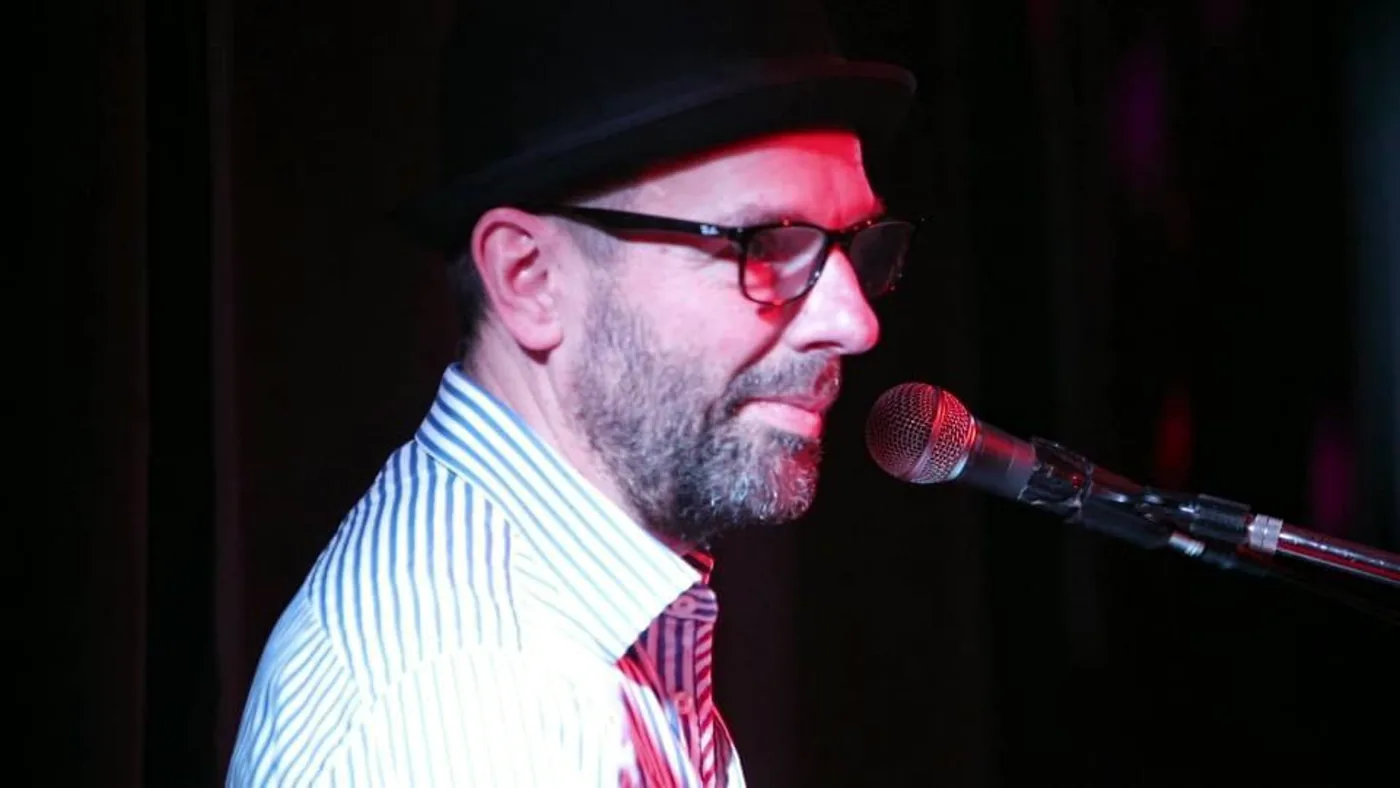
Mike behind a two-keyboard live setup in an archive photograph. The venue and date are not established in the current image records.
How did Mike start playing in bands?
Mike began playing in school bands around Year 9 or Year 10. Without a portable keyboard, concerts and talent competitions depended on the room having an upright piano.
Eventually a close friend lent him approximately a couple of thousand dollars to buy a synthesiser. Mike paid him back. More remarkably, he still owns the instrument.
At RMIT, where he studied Industrial Design, Mike met a guitarist who loved Cold Chisel, whose songs offered plenty for a keyboard player. They began putting groups together. The guitarist lived around Frankston and collected Mike for rehearsals; gigs followed in RSL rooms and other Melbourne venues.
There was no single professional breakthrough. One musician introduced another. One booking led to the next.
What happens when a band falls apart?
One early band imploded after a bass player’s ego made it considerably less enjoyable. The band stopped being fun, then it stopped being a band.
He kept playing.
That is how local music scenes work. Bands disappear, while musicians reconnect years later and introduce each other to new projects.
For Mike, one of those relationships has lasted nearly three decades.
How did Mike meet Michelle from The Adele Show?
Mike and Michelle Morrison played in Melbourne cover bands together approximately 27 or 28 years ago, when both were in their twenties. Through Michelle, Mike met her sister Vicky. They married.
Nearly three decades later, Mike and Vicky are still married. Mike and Michelle remain close friends. Michelle now performs the lead role in The Adele Show, and Mike plays keyboards beside her.
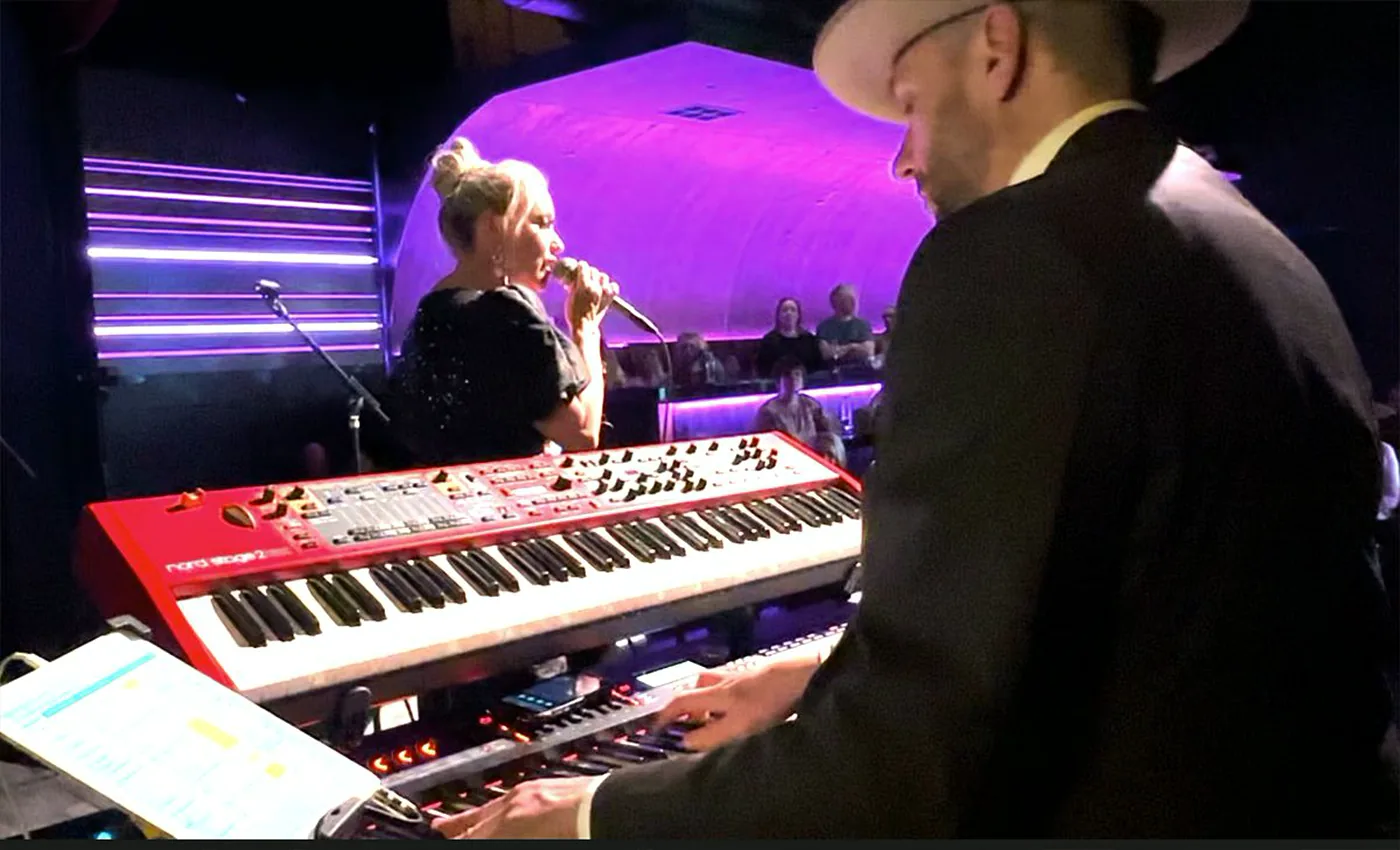
Michelle Morrison and Mike Dupp performing with The Adele Show. Their musical friendship began in Melbourne cover bands nearly three decades ago.
They played gigs together in their twenties, became family and still turn up to gigs together now.
Why does Mike still play live music?
After a difficult day at work, driving across Melbourne, loading equipment and getting home late can seem like a poor idea.
Then the playing begins.
Music remains a release. Mike particularly likes working with musicians who are better than him or bring something unexpected to a song.
“I like playing with talented people. It inspires me.”
Decades into the work, Mike still wants to hear what another good player will do and respond in real time. Our guide to what happens during a band soundcheck covers the long setup around those few hours.
Which tribute and concept bands does Mike play with?
Over roughly the last five years, Mike has become increasingly involved in Melbourne tribute and concept shows. The seven-piece Adele Show is the largest, alongside several specialised productions.
Mike plays keyboards in Everyday I Write The Hook, which performs the Elvis Costello songbook. He also plays organ and keys with Black Market Clash, keyboards in Blue Valentines: The Tom Waits Songbook and with Atomic: The Songs of Blondie.
These are not random catalogues. Randy Newman, Elvis Costello and Tom Waits sit naturally beside the Beatles, Pink Floyd and Cold Chisel in Mike’s listening history.
Why can niche tribute shows work in Melbourne?
A Tom Waits or Elvis Costello show does not need thousands of people. It needs enough committed listeners to fill the room. Mike describes fans “coming out of the woodwork” when a project plays material they rarely hear live.
On 2026-10-24, Kindred Bandroom in Footscray is hosting a Tom Waits and Elvis Costello double bill, with Mike on keyboards in both productions.
Promotion is now substantial. Early bands relied on venues, posters, word of mouth and repeated gigs. Current projects add Facebook, Instagram, TikTok and existing followers. Mike says the person running several of his shows puts in enough promotional work for another full-time job.
Somebody still has to persuade people to leave the house. Our article on how much it costs to book a live band explains why audience demand can matter more than the number of musicians.
What was Mike’s strangest gig?
One unusual booking put Mike on the back of a truck at the Ford Motor Company. The connection was simple: the drummer worked for Ford.
The archive does not establish the date or Ford site, so those details remain Mike’s recollection. It preceded Ford ending Australian vehicle manufacturing in October 2016. The picture is enough: a keyboard player, a truck and a car factory.
What was Mike’s biggest performance?
Mike names The Adele Show’s 2026 Jakarta performance as a major highlight. The band played at Gamma and Keelie’s wedding at Hutan Kota Plataran on 2026-07-26.
Public reporting confirms that Indonesia’s President Prabowo Subianto attended alongside Vice President Gibran Rakabuming Raka and former presidents Susilo Bambang Yudhoyono and Joko Widodo. Mike describes the room, in his own shorthand, as containing “presidents and kings of industry”.
The band prepared a one-hour set, trimmed to about 50 minutes on the night. The passports, visas, substitute singer and changed set are covered in The Adele Show goes to Jakarta.
For someone whose early school performances depended on finding an upright piano in the room, it was a fair change of scale.
What advice does Mike give young pianists?
Mike’s first answer is immediate: learn to read music.
He also recommends theory. Its usefulness becomes clearer when musicians are changing keys, discussing chords and explaining an arrangement.
Then play music you genuinely love. It makes practising, rehearsing and showing up much easier.
One more lesson sits inside Mike’s story: keep playing with good people. Bands break up and venues close. Nearly 30 years after Mike and Michelle first shared Melbourne stages, they are still friends, family and playing the next gig.
Mike Dupp FAQs
Who is Mike Dupp?
Mike Dupp is Melbourne keyboard player Mike Yanko. He performs with The Adele Show and several tribute and concept bands.
What instrument does Mike Dupp play?
Mike plays piano, organ, synthesisers and other keyboards.
How did Mike learn piano?
He took classical lessons from about age seven for more than five years, then moved towards popular music and learning from records.
Does Mike read music or play by ear?
Mike has classical training but developed mainly by ear. He describes sight-reading as a weakness and tells young pianists to learn it properly.
What music influenced Mike?
His influences include the Beatles, Pink Floyd, Cold Chisel, Randy Newman, Elvis Costello and Tom Waits.
How long has Mike played in Melbourne bands?
Mike began playing in school bands and has spent decades performing in Melbourne cover bands, pub and club acts, and tribute shows.
How did Mike meet Michelle from The Adele Show?
Mike and Michelle Morrison met while playing in Melbourne cover bands approximately 27 or 28 years ago.
Is Mike related to Michelle?
Yes. Mike married Michelle’s sister Vicky, making Mike and Michelle brother- and sister-in-law as well as long-time musical collaborators.
What other tribute music does Mike perform?
He performs the music of Elvis Costello, the Clash, Tom Waits and Blondie through Melbourne projects Everyday I Write The Hook, Black Market Clash, Blue Valentines and Atomic.
Why does Mike still play live music?
He regards playing as a release and enjoys the inspiration that comes from sharing a stage with talented musicians.
What was Mike’s most memorable gig?
He names The Adele Show’s July 2026 wedding performance in Jakarta as a major career highlight. A gig on the back of a truck at Ford is the less formal contender.
What advice does Mike have for young piano players?
Learn to read music, understand theory, play music you love and keep working with good musicians.
Related Articles
Saturday 22 August 2026
Meet Justine ‘Teenie’: From School Choirs to International Stages
Meet Teenie, the trained vocalist, songwriter and live performer whose path runs from school choirs and Camp Rock to original music, the MCG and Jakarta.
Saturday 22 August 2026
What Happens During a Band Soundcheck?
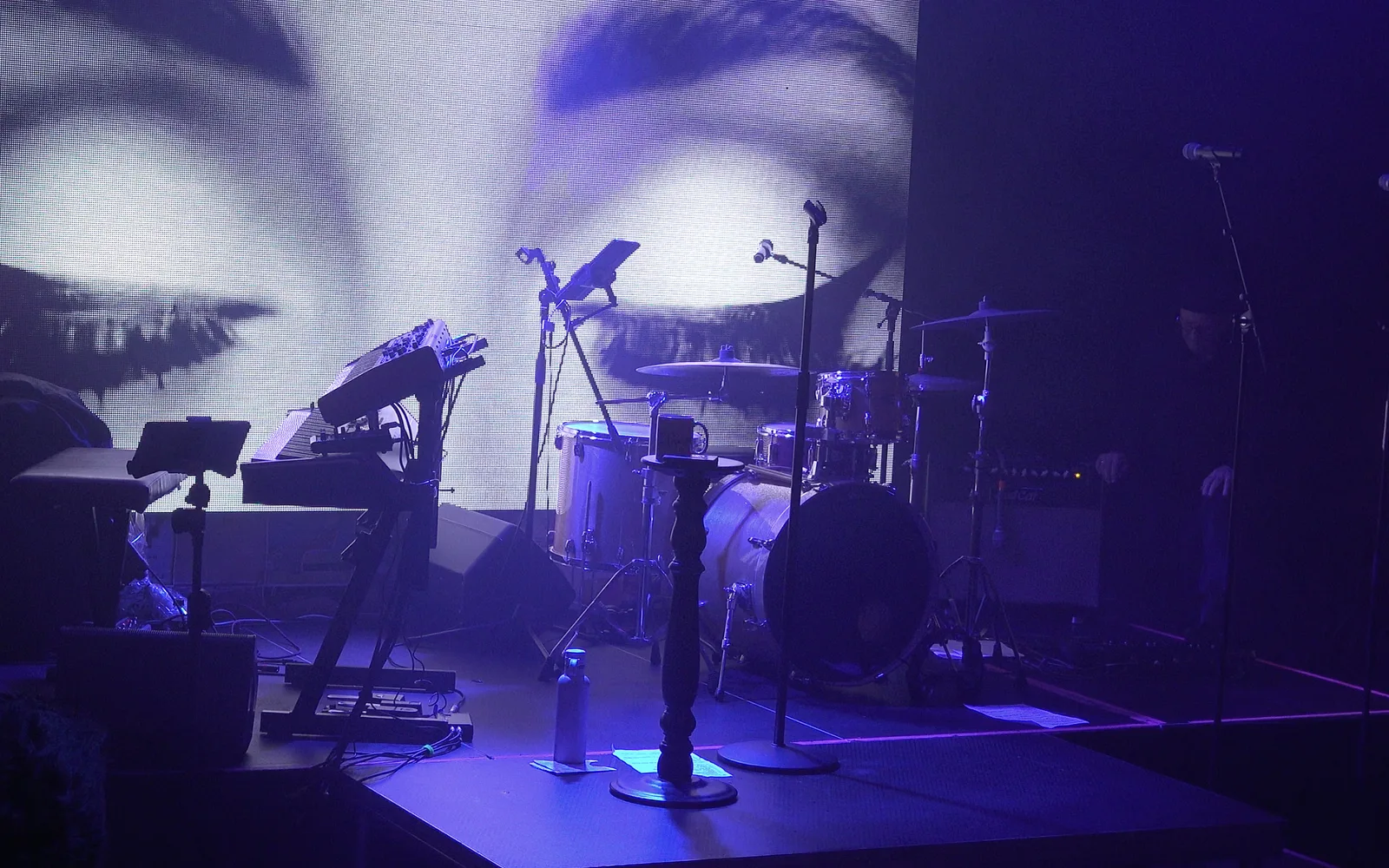
A practical look at band soundchecks, from load-in and PA setup to individual instruments, monitor mixes and the final full-band check.
Saturday 22 August 2026
Live Band Costs in Melbourne: 2026 Pricing Guide
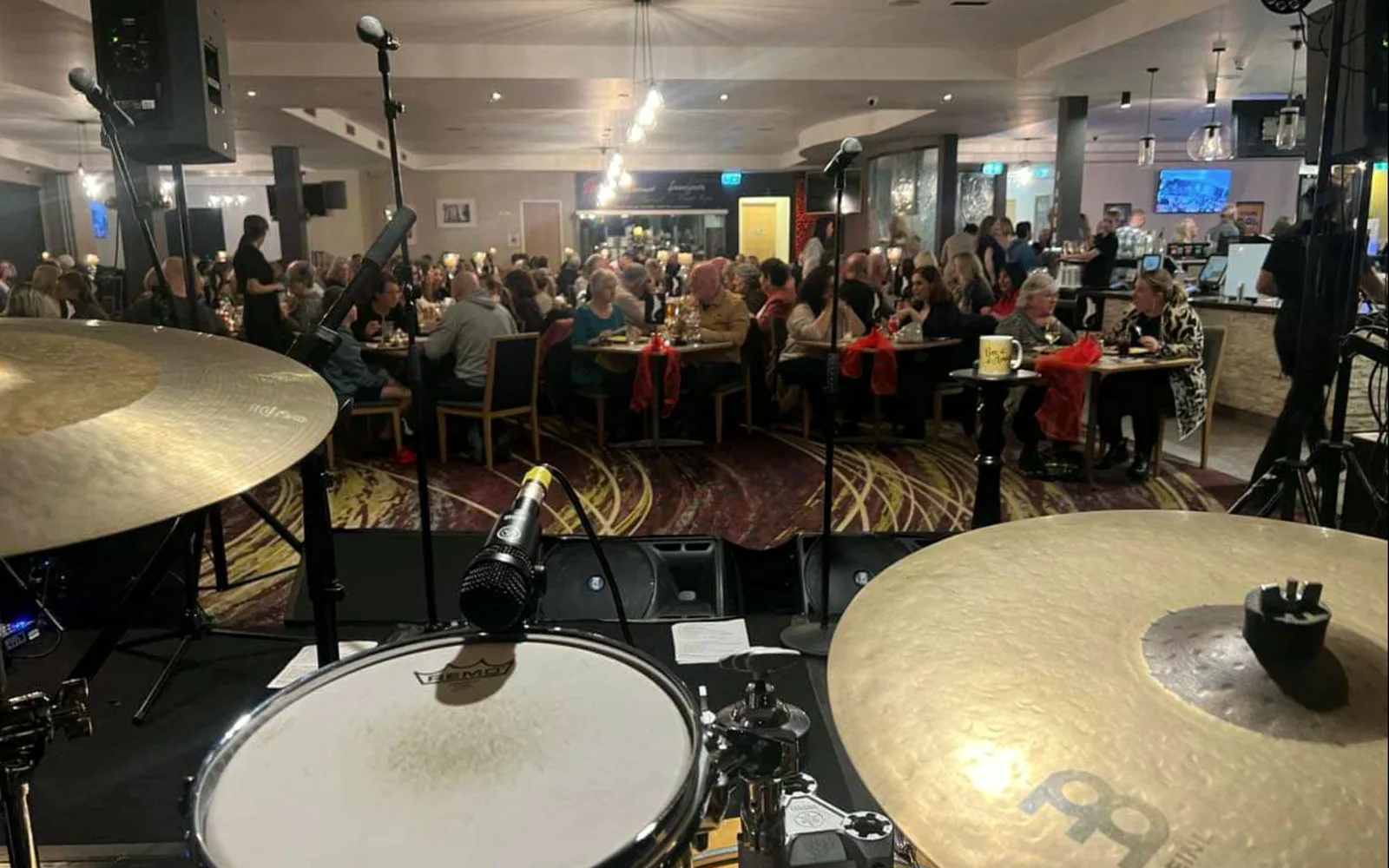
A practical guide to live-band costs in Melbourne, including venue deals, ticket splits, production, weddings, corporate events and what affects a quote.